Tell someone about your retreat
Being 100% committed to your journey is an important first step for achieving clarity, balance, confidence and inner connection in your life. Sharing your participation in a retreat can be a powerful motivator, articulating your journey towards a more connected and fulfilled life style may help to encourage or excite you when taking that first step in your wellness goals.
If you are living with other people (friends, family, partner or children), it would be beneficial to notify them that you are starting your retreat so they may help with limiting distractions and interruptions.


Reduce expectations
You may have already set a goal for this experience, but we invite you to set an intention instead. An intention is softer. It is not about achieving something perfectly or placing pressure on how you should feel, respond or grow throughout the retreat.
Allow yourself to arrive with openness, curiosity and compassion. Be willing to explore new ideas, try on new concepts and meet yourself in fresh and inspiring ways. The beauty of a retreat is that the insights may continue to unfold long after the experience itself.
If you leave feeling more connected to yourself, more open in your mindset, or inspired to bring what you have learned into your daily life, that is a beautiful outcome. We hope this retreat becomes one meaningful step in your ongoing journey of self-discovery, personal transformation and lifelong learning.
Limit distractions
Turn your phone to airplane mode (or offline mode), put on ‘do not disturb’, and turn your phone on silent. The fewer distractions you have, the more chance you have of being able to completely focus on yourself, reflect on the sessions and enjoy the experience of your retreat. If you are taking the time to dive into a retreat, then make the most of it by reducing distractions as much as possible. Many live, in-person retreats encourage limited use of electronic devices to help create a more present and immersive experience. We invite you to approach your retreat in the same way by minimising distractions, reducing screen time and giving yourself the space to fully engage with the journey.
Once your day is done, try to stay in the moment, reflect on what you have learnt and experienced. Avoid turning the phone back on or dropping into your ‘normal’ evening routine. Change requires action, intent and discipline, if that is what you are seeking, then do the right thing by yourself and commit to your retreat experience as best you can.


Schedule downtime
As much as we would love to fill your retreat with endless learnings, it simply isn’t practical for you to be overloaded with training and sessions. During your breaks, plan to do some mindful activities for yourself, or things you love doing but you never make the time for. It may be reading a book, having a cup of tea and putting your feet up, taking a nap, journaling or reflecting on what you have learnt. Going outside and sitting on the grass or taking your shoes off to connect with the earth is a great way to ground, reset and reconnect before your next class.
Plan your meals
Before your retreat begins, you may like to plan a few simple, nourishing meals or snacks that will support you throughout the experience. Having ingredients ready ahead of time can help you feel more relaxed, grounded and present during your retreat.
This does not need to be complicated. Choose foods that feel light and easy to prepare, so you can spend less time organising meals and more time enjoying the journey.

Prepare your retreat space
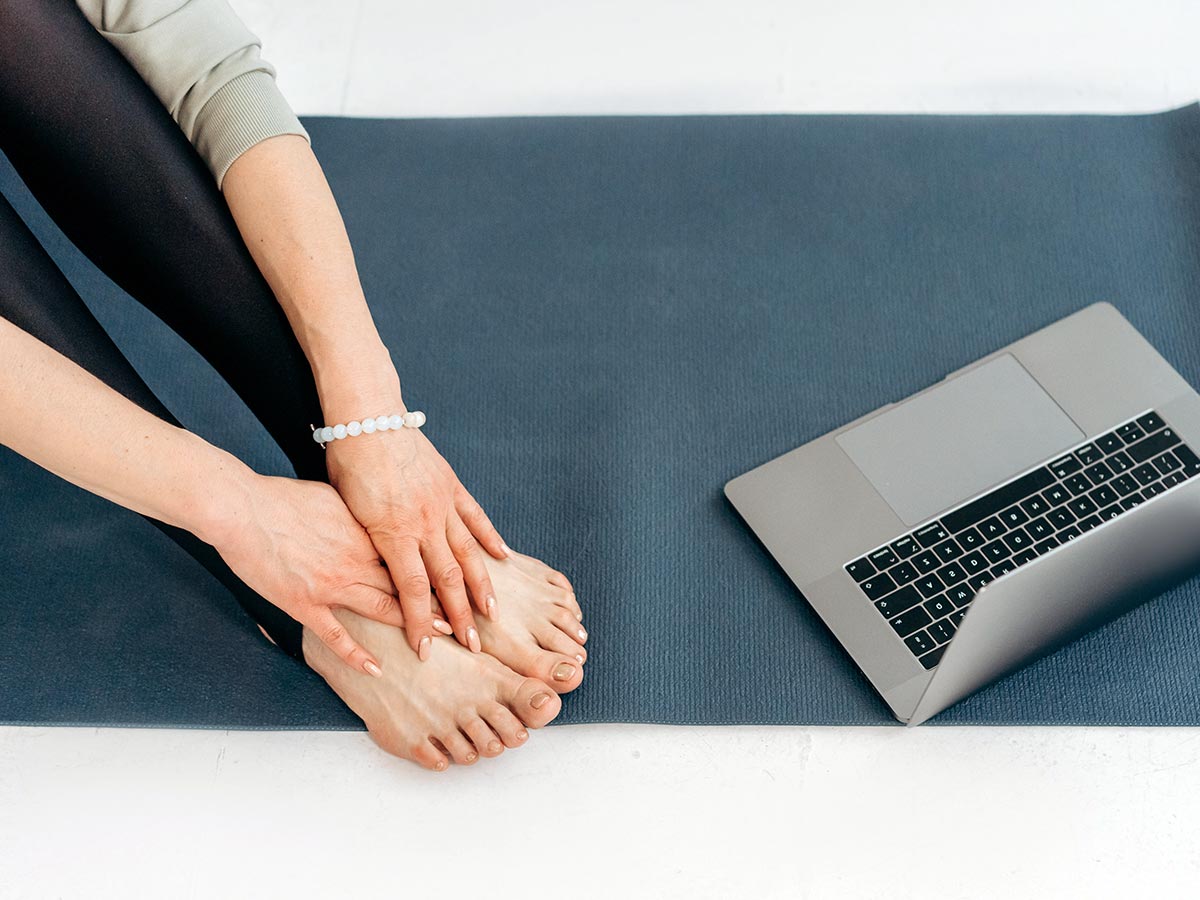
Choose a place in your home where you can feel calm, comfortable and as undisturbed as possible. It does not need to be perfect or elaborate. A quiet corner, a clean room, a yoga mat, a cushion, soft lighting, a candle, oil diffuser or blanket can all help signal to your body and mind that this is a time for slowing down and relaxing.
For movement-based sessions, ensure you have enough room to stretch, lie down and move safely. For meditation sessions, reflection or theory-based learning, prepare somewhere supportive to sit, rest, listen and take notes if you wish.
Test your devices are working
Your retreat can be viewed online using any device with an internet browser that lets you login to the Quester portal and a stable internet connection. If you plan to connect your device to a television, or view the retreat through your smart TV browser, it is worth testing this before your retreat begins. This way, your first moments of retreat time can be focused on settling in rather than solving technical issues.
Each Quest will show its start time, and once the scheduled time has arrived, the session will become available for you to begin. You will then be able to pause, rewind, return and re-watch your Quests as often as you like during your 30-day access period. Checking you can access the Quester portal prior to the retreat will also support in removing any last-minute pressure.